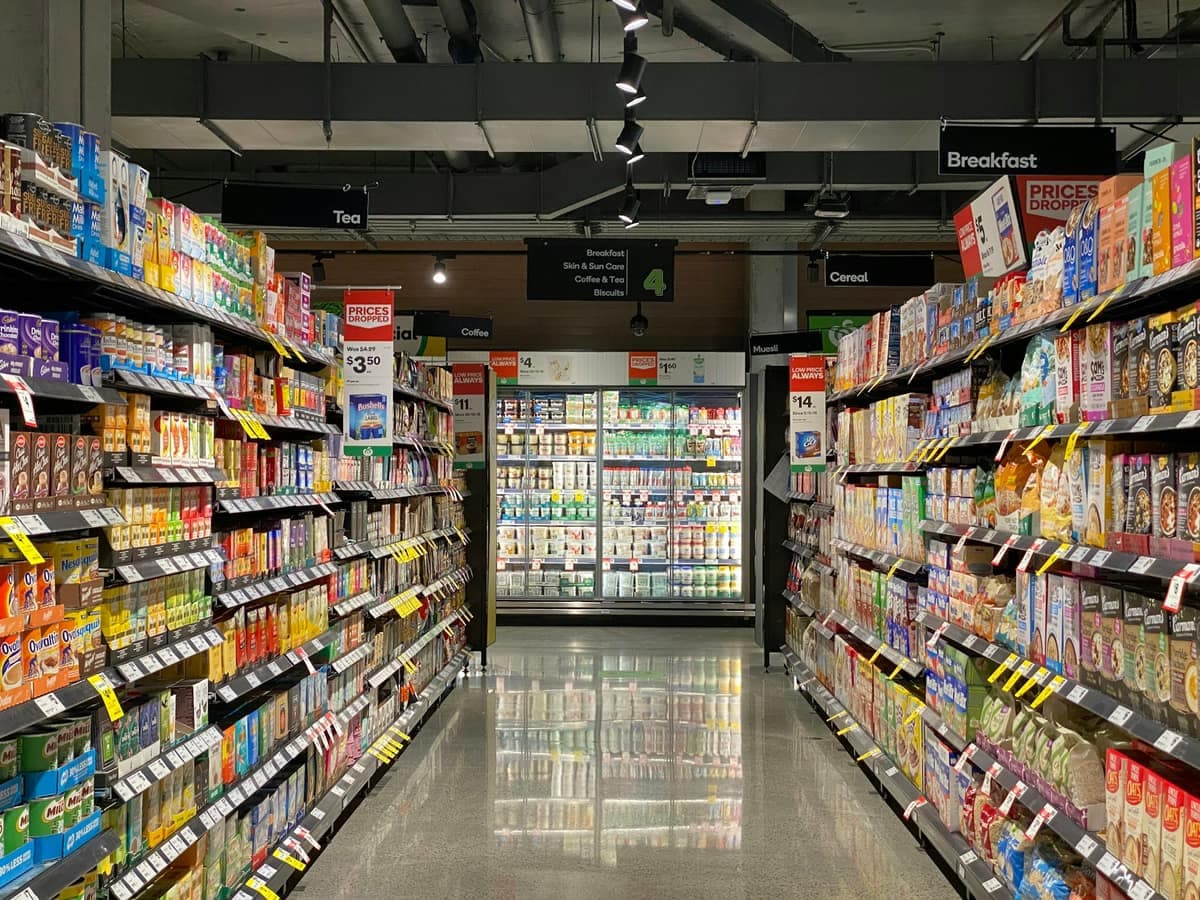
This is not a scare piece. The goal is not to make food feel more frightening than it already does. But there are ingredients that appear frequently in everyday products that are worth understanding, not just accepting.
1. Carrageenan
Carrageenan is a thickener derived from red seaweed, used widely in dairy alternatives, deli meats, and some infant formula. In vitro and animal studies have raised questions about its potential to promote intestinal inflammation. Human evidence is more limited, and the findings are not definitive.
The European Food Safety Authority reviewed carrageenan in 2018 and raised concerns specifically about degraded forms. The Joint FAO/WHO Expert Committee on Food Additives has maintained an acceptable daily intake, but noted that infants may be a group warranting additional caution. If you see it regularly in products you consume frequently, it is worth noting.
2. Sodium nitrite
Used in processed and cured meats as a preservative and colour stabiliser. At high temperatures, grilling, frying, nitrites can form nitrosamines, compounds associated with increased colorectal cancer risk in large epidemiological studies.
The science: The World Health Organisation classifies processed meats as Group 1 carcinogens, meaning sufficient evidence of carcinogenicity in humans, specifically because of this evidence base. Group 1 does not indicate the level of risk, only that the evidence of a relationship is strong. Occasional consumption represents a different risk profile to daily consumption at significant quantities.
3. High-fructose corn syrup
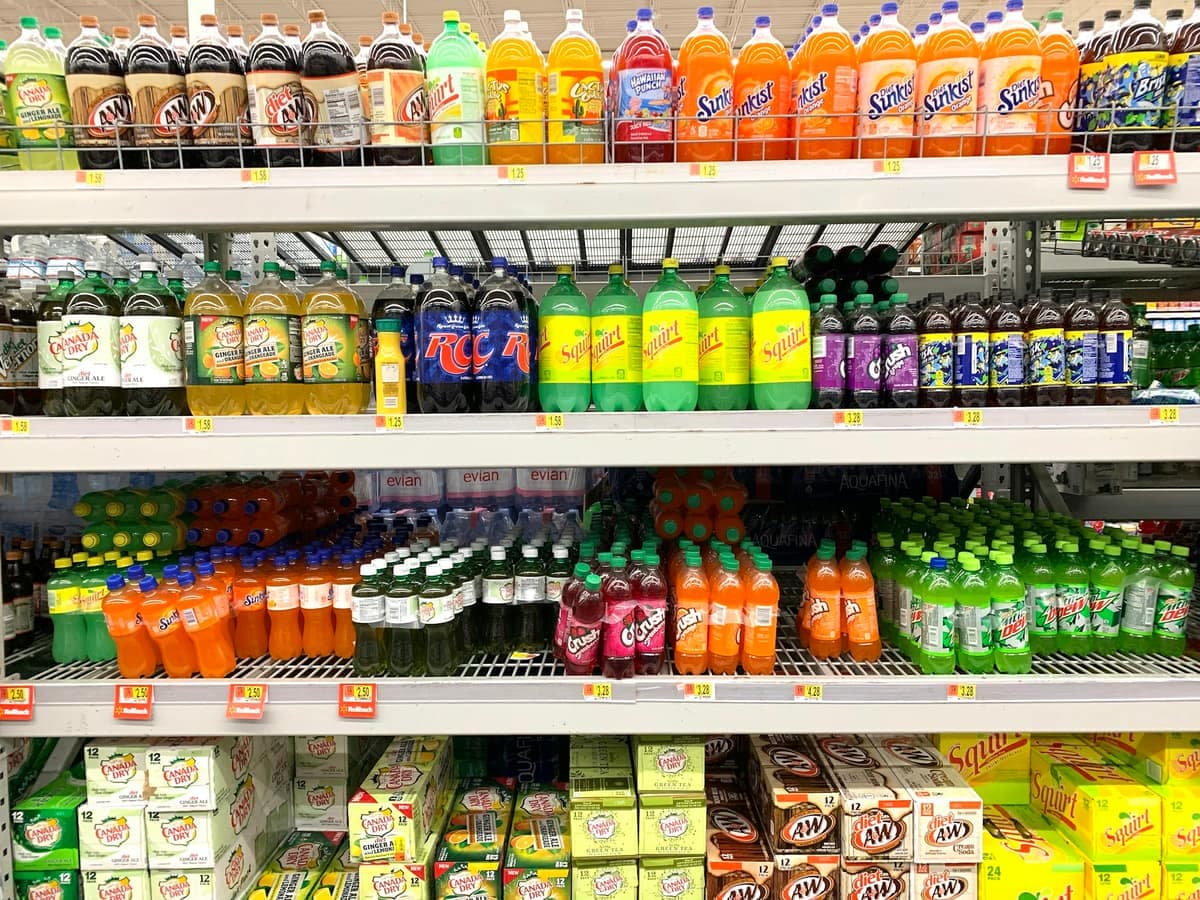
A processed sweetener found in soft drinks, condiments, baked goods, and many packaged snacks. It is metabolised differently to glucose, primarily in the liver, and at high intakes has been associated with elevated triglycerides, insulin resistance, and fatty liver accumulation in research studies.
High-fructose corn syrup also does not appear to trigger satiety hormones in the same way that glucose does, which may contribute to overconsumption. The dose and frequency of intake matter significantly here, as with most ingredients on this list.
4. Artificial food dyes
Synthetic colourings, tartrazine, sunset yellow, carmoisine among others, have been studied for their effects on behaviour, particularly in children. A 2007 study published in The Lancet found associations between certain artificial colourings and hyperactivity in children, which led the European Food Safety Authority to require warning labels on products containing them in the EU. Evidence in adults is less robust, but the precautionary principle applies, particularly for frequent consumers and for parents choosing food for young children.
5. Partially hydrogenated oils (trans fats)
Though many countries have moved to phase these out, partially hydrogenated oils still appear in some imported products and older formulations. Trans fats raise LDL cholesterol and lower HDL cholesterol, a combination consistently associated with increased cardiovascular risk.
The science: Trans fats are the only dietary fat for which the evidence of harm is strong enough that multiple regulatory bodies, including the WHO, the US FDA, and the European Commission, have moved to mandate elimination rather than reduction. If you see 'partially hydrogenated' on an ingredient list, it warrants a serious response.
The takeaway
The scientific position on all five: frequency and quantity of exposure matters as much as the ingredient itself. A product containing one of these, consumed occasionally, is a different consideration to a product containing several, consumed daily.
The goal is not elimination. It is awareness. Knowing what is in what you eat regularly means the choice is yours, made with information, not made by default.
These are exactly the kinds of ingredients we screen for at Local Greenz before anything reaches our shelves. You deserve to choose with clarity.
BSc Biomedical Sciences, MSc Molecular Medicine, and MRes Tissue Engineering for Regenerative Medicine (University of Manchester). 12 years in medical research, including 5 in medical diagnostics, before founding Local Greenz Market.


Every claim in the Journal is checked against ingredient data and research, not marketing copy. If it's here, it held up.